

Safeguarding Your Vision for the Future
Eye disease can take many forms, and a routine eye exam is about more than just updating your prescription. At Ilex Eyecare, we use comprehensive exams to check for early signs of conditions that may threaten your vision.
Early detection and timely treatment can slow or even prevent vision loss, helping you maintain clear sight for years to come. Regular eye exams allow us to track subtle changes in your eyes that might otherwise go unnoticed.
Your vision is important, and our goal is to help you protect it. Book your next appointment online today.

The Importance of Early Detection
Detecting eye disease early gives you the best chance to preserve your vision. Our team uses diagnostic technology, including OCTA retinal imaging and ultra-widefield imaging, to identify issues before they become serious.
By detecting conditions like glaucoma, macular degeneration, and diabetic retinopathy at an early stage, we can begin personalized treatment plans sooner, reducing the risk of long-term damage.


Our Diagnostic Technology
At Ilex Eyecare, we use innovative diagnostic technology to detect and monitor eye diseases as early as possible.
OCTA is a noninvasive imaging technique that provides a high-resolution view of the retina’s blood vessels. This technology allows our optometrists to identify early signs of retinal disease, such as diabetic retinopathy, glaucoma, or age-related macular degeneration.
By detecting subtle changes in the retina, OCTA helps us create personalized treatment plans and monitor disease progression.
Ultrawidefield retinal imaging captures up to 82 percent of the retina in a single image, giving a panoramic view that is impossible with traditional photography. This allows us to identify areas of concern early, including peripheral retinal issues that could lead to vision loss if left untreated.
We use this technology to monitor conditions such as retinal tears, diabetic eye disease, and macular degeneration.
AVF testing maps your peripheral, or side, vision and is essential for detecting and monitoring neurological or optic nerve conditions, most commonly glaucoma. This test is OHIP-insured for patients 19 and under, 65 and over, and for adults with qualifying medical conditions such as diabetes.
By evaluating your visual field, we can identify subtle changes that may indicate early disease before symptoms appear.
Common Eye Conditions We Monitor and Treat
Eye disease can appear in many different ways, and understanding the various types is an important step in protecting your vision. Learning about the early signs can help patients recognize when it is time to schedule a comprehensive eye exam.
At Ilex Eyecare, our eye disease evaluations focus on the details. Every exam is designed to provide a complete picture of your eye health, allowing us to detect subtle changes, diagnose conditions early, and create a personalized plan to preserve your vision.
AMD is a progressive condition that primarily affects central vision, making tasks such as reading, driving, and recognizing faces more difficult. Early detection is key to preserving vision, and at Ilex Eyecare, we use diagnostic technology, including OCTA, AdaptDx Pro, and macular pigment density testing, to monitor progression.
We provide care for all stages of AMD, from subclinical changes to dry and wet forms, and work with patients to implement strategies that protect vision and maintain quality of life.
Cataracts occur when the natural lens of the eye becomes clouded, leading to blurred vision, decreased night vision, and muted colour perception. Over time, cataracts can interfere with daily activities and overall quality of life.
At Ilex Eyecare, we monitor cataract development and guide patients on when surgery is appropriate. Cataract surgery can effectively restore clarity, contrast, and colour perception, allowing patients to return to normal activities safely.
Glaucoma encompasses a group of eye conditions that damage the optic nerve, often due to elevated eye pressure. It is sometimes called the “silent thief of sight” because vision loss can occur gradually without noticeable symptoms.
Regular eye exams, including tonometry, OCT, and visual field testing, allow early detection and intervention. Early treatment can slow progression and prevent permanent vision loss, helping patients maintain healthy vision over the long term.
Flashes of light or sudden showers of floaters can be harmless, but they can also indicate a retinal tear or detachment, an urgent condition that requires immediate evaluation. These symptoms should never be ignored.
At Ilex Eyecare, we perform thorough retinal examinations, often using ultra-widefield imaging, to assess the risk and ensure prompt treatment, protecting patients from permanent vision loss.
Diabetes can damage the eyes in multiple ways, including increasing the risk of cataracts and causing diabetic retinopathy, a condition that affects the retinal blood vessels. Early detection is essential to prevent vision complications.
Our team uses OCTA and ultra-widefield retinal imaging to identify early changes, monitor progression, and coordinate timely interventions that protect long-term vision for patients living with diabetes.
Conjunctivitis, or inflammation of the conjunctiva, can be caused by viral infections, bacteria, or allergens. Symptoms may include redness, itching, tearing, and discharge. Proper diagnosis is important because treatment varies depending on the type.
At Ilex Eyecare, we check that each case is accurately assessed and treated with the safest and most effective approach.
Uveitis is inflammation of the uvea, the middle layer of the eye, which can lead to blurred vision, light sensitivity, redness, and discomfort. Prompt diagnosis and management are critical to prevent long-term complications such as cataracts, glaucoma, or vision loss.
Our team uses a combination of clinical assessment and imaging to guide personalized treatment plans.
Dry eye occurs when the eyes do not produce enough tears or the tears are of poor quality. It can lead to irritation, burning, a gritty sensation, and difficulty wearing contact lenses.
At Ilex Eyecare, we assess the underlying cause of dry eye and provide tailored therapies, including at-home devices, prescription treatments, and lifestyle recommendations to restore comfort and maintain ocular health.
An epiretinal membrane is a thin layer of scar tissue that can form on the retina, often causing distortion, blurriness, or visual smudging. Mild cases may be monitored over time, while more severe cases can be treated with surgical options such as vitrectomy or membrane peeling.
Early detection helps ensure the best outcomes and helps preserve visual clarity.
Dry eye occurs when the eyes do not produce enough tears or the tears are of poor quality. It can lead to irritation, burning, a gritty sensation, and difficulty wearing contact lenses.
At Ilex Eyecare, we assess the underlying cause of dry eye and provide tailored therapies, including at-home devices, prescription treatments, and lifestyle recommendations to restore comfort and maintain ocular health.
Take Charge of Your Eye Health
Ilex Eyecare is committed to helping you understand, monitor, and manage a wide range of eye diseases. With diagnostic tools, thorough assessments, and personalized care, we empower you to protect your vision.
Contact us to book your appointment online today to take the first step in safeguarding your eye health.

Eye Care Services We Offer


Explore Our Brands





More of Our Services
Explore the different eye care services we have to offer at Ilex Eyecare.
Eye Disease Diagnosis & Management
We provide comprehensive evaluation and management for a wide range of eye conditions, including glaucoma, cataracts, and diabetic eye disease. Our goal is to protect your vision and support long-term eye health through accurate diagnosis and personalized care.
Laser Eye Surgery Consultation
Considering LASIK or PRK? We guide you through the process, from determining if you are a suitable candidate to scheduling follow-up appointments to monitor your recovery. Our consultations ensure you have all the information you need to make the right choice for your vision.
Emergency Eye Care
Eye emergencies can happen at any time. We offer prompt assessment and treatment for urgent eye conditions, helping to relieve discomfort and protect your vision when it matters most.
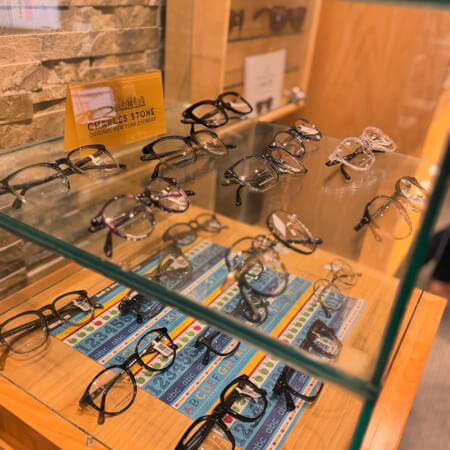
Explore Our Gallery
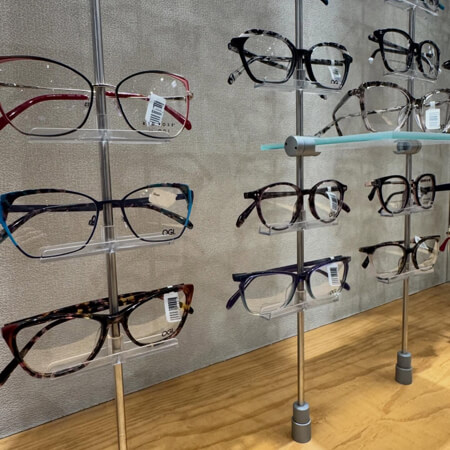
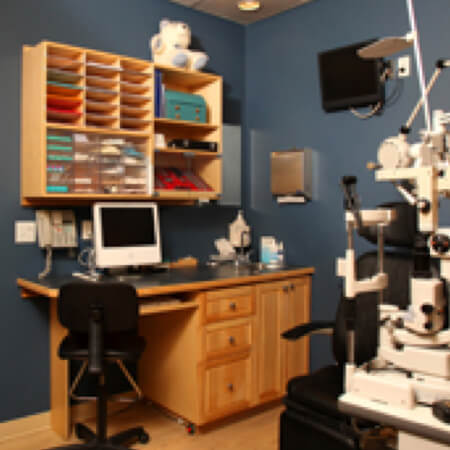
Google Reviews
Take a look at what our patients have to say.
Best optometry appointment I’ve ever had. The eye exam took no time at all and I got a year supply of contacts at a really great price! Would recommend this place if you’re looking for a new optometrist in London.
Vanessa
The practice is on my way home from work and was recommended to me by a friend. Hours are great! My appointment was on time and the staff was really helpful with billing and picking out new frames. I would recommend them to anyone looking for an optometrist!
Laura
Testimonials
Take a look at what our patients have to say.
Come Visit Us in Waterloo
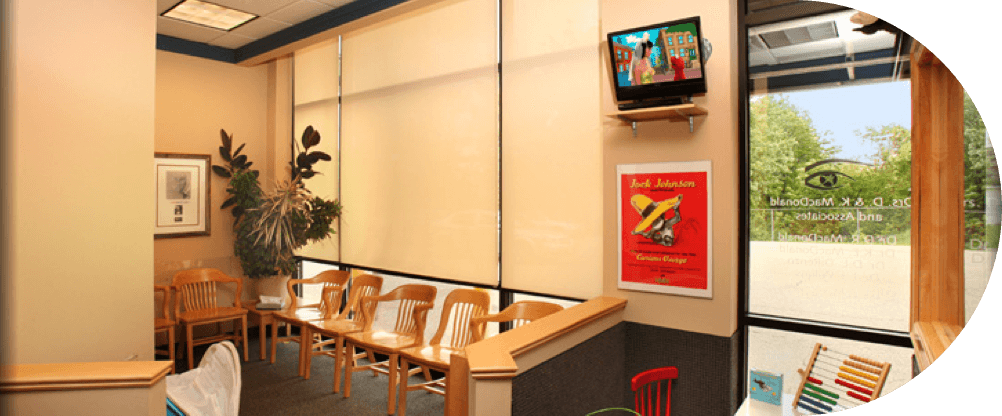
Our accessible main floor facility is conveniently located in north Waterloo, near the corner of King and Columbia, just south of the McDonald’s restaurant. 354 King Street North has plenty of free parking and is just a few steps away from the Grand River Transit Route 7 bus stop.
Our Address
- 354 King Street North
- Waterloo, ON N2J 2Z2
Our Hours
Error: No feed with the ID 3 found.
Please go to the Instagram Feed settings page to create a feed.