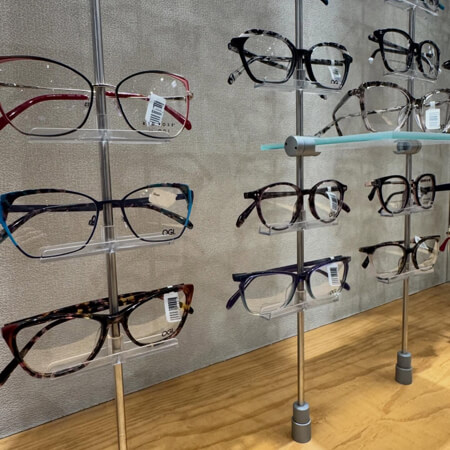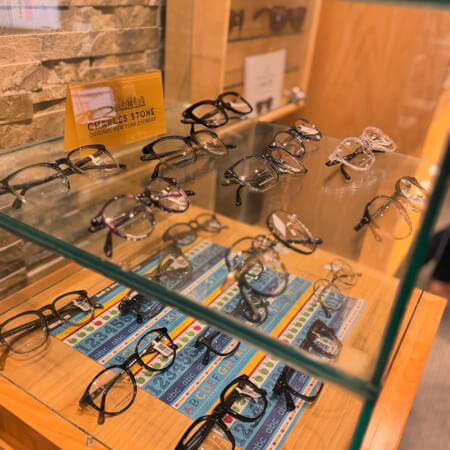

The majority of spectacle lenses are now made of plastic materials, which makes them dramatically lighter than glass lenses. When combined with a quality scratch resistant coating, these lenses are very durable: unfortunately, there is no such thing as a ‘guaranteed scratch-proof’ lens. Polycarbonate or Trivex materials are often utilized for industrial or pediatric applications […]
What sort of contact lenses should I wear?
Today, the majority of contact lens corrections are available in a disposable format, where the patient proactively replaces the lenses to help avoid complications. Your optometrist will customize the replacement schedule to your specific needs, taking into account your wearing time, environment, tear chemistry, and other factors. Replacement may be as frequent as daily, or […]
What is vision screening?
A vision screening is a very superficial pass/fail assessment of basic visual skills that may be offered at pre-school institutions. Screenings are generally performed by lay volunteers, and are definitely not a substitute for an eye examination. In fact, screenings often lead to confusion among parents and teachers, who believe that the child has had […]
What is myopia?
Myopia (also known as short- or near-sightedness) causes objects in the distance to appear blurry, while those at near appear clear. Most often, myopia is caused by an abnormally long eye, and children become more myopic as they grow. […]
What is myopia control?
Myopia control is a term that encompasses different treatments that aim to slow down the progression of myopia in children. Currently there are four ways to implement myopia control: specialized spectacle lenses, soft contact lenses, orthokeratology (hard) contact lenses, and low concentration atropine eye drops. All these mechanisms have shown, on average across the population […]
What is Laser Vision Correction?
For many years, the primary methods of correcting vision were prescription eyeglasses and/or contact lenses. Surgical alternatives like radial keratotomy were available, but relatively unpredictable and uncommon. In the mid-1990s, ophthalmologists began using cool laser technology to gently reshape the corneal surface, primarily to correct low to moderate amounts of nearsightedness. Gradually, as technology and […]
What is glaucoma, and how does it affect the eye?
Glaucoma is a disease that causes progressive and irreversible damage to the optic nerve, the ‘cable’ that transmits information from the retina to the visual portion of the brain. Increased pressure within the eye is a strong risk factor for glaucoma; however, blood flow and genetics (family history) are also important. Optic nerve damage results […]
Read More… from What is glaucoma, and how does it affect the eye?
What is dry eye?
Dry eye is exactly that: a lack of moisture on the surface of the eye. However, that simple lack of moisture can trigger chronic inflammation, occasionally with significant consequences. Everyone depends upon tears to keep their eyes comfortable and healthy, and their vision clear. For a variety of reasons, including advancing age, general health conditions […]
What is diabetes, and how does it affect the eye?
Diabetes is a disease that prevents your body from producing or using insulin effectively, which leads to increased levels of glucose (sugar) in the blood. The elevated glucose levels damage the delicate lining of the blood vessels, causing swelling, bleeding, and poor supply of oxygen and nutrients to vital organs like the heart, kidneys, liver, […]
Read More… from What is diabetes, and how does it affect the eye?
What is age-related macular degeneration?
Age-related macular degeneration, or AMD, is a degenerative process that affects the area of the retina (the light sensitive tissue lining the inside of the eye) responsible for central vision (the macula). It is more common as we age, and in certain demographic groups: in fact, as many as 15% of Caucasian women over the […]