
Contact lenses are now available for the majority of prescriptions, including near and farsightedness, astigmatism, and bifocal (reading) corrections. On top of that, advancements in contact lens materials have made them more comfortable, and healthier than ever before. Of course, each patient is unique: please ask your optometrist about your specific situation. […]
Buyer Beware
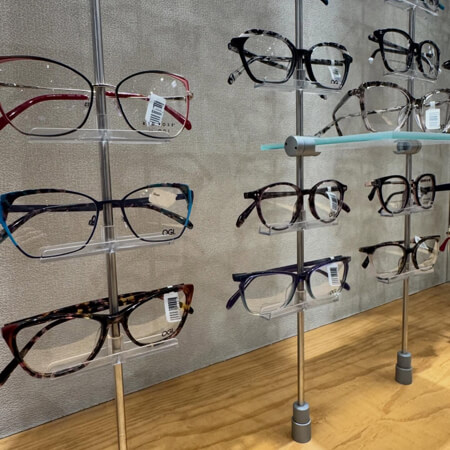
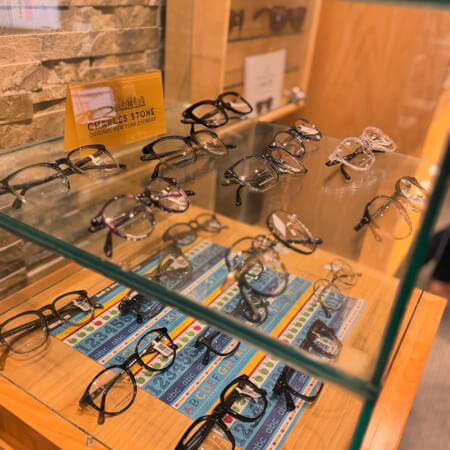
Purchasing new glasses should be an enjoyable experience, but it can quickly become very confusing …• What style of frame should I choose?• What type of lens is best for my prescription?• Do I need any special coatings or tints?• … and once I make these (and more) decisions, where should I buy my glasses? […]
Are you saying that the tint doesn’t matter?
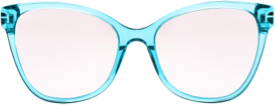
In terms of UV protection, since ultraviolet radiation is ‘invisible light’, it’s not affected by any ‘visible tint’. That being said, the tint on the lens is important for brightness, glare, and contrast: gray tints block all light equally, while brown lenses preferentially block greens, and rose or amber (‘blue-blockers’) improve contrast by reducing scatter. […]
Read More… from Are you saying that the tint doesn’t matter?
Am I a candidate, and if so, for which procedure?
The majority of patients with low to moderate nearsighted and/or astigmatic prescriptions are candidates for laser surgery. Limiting factors can include a very high prescription, thinner than average cornea, larger than average pupil diameter, significant dry eye, and a history of poor wound healing or scarring. While these factors may preclude LASIK, patients may still […]
Read More… from Am I a candidate, and if so, for which procedure?