
More kids are being diagnosed with myopia, or nearsightedness, than ever before. A lot of parents want to know if there’s more they can do beyond a stronger prescription every year.
Myopia often develops during school-age years, when a child’s eyes are still growing. The eye grows too long from front to back, so light focuses just short of the retina at the back of the eye, which keeps things sharp rather than landing directly on it.
For many children, myopia control lenses are worth considering, since they’re designed to slow how fast myopia progresses, not just correct today’s blur. Spotting the signs early gives your child more options, and it helps to understand how these lenses actually work before you decide.
Signs Your Child Might Be Nearsighted
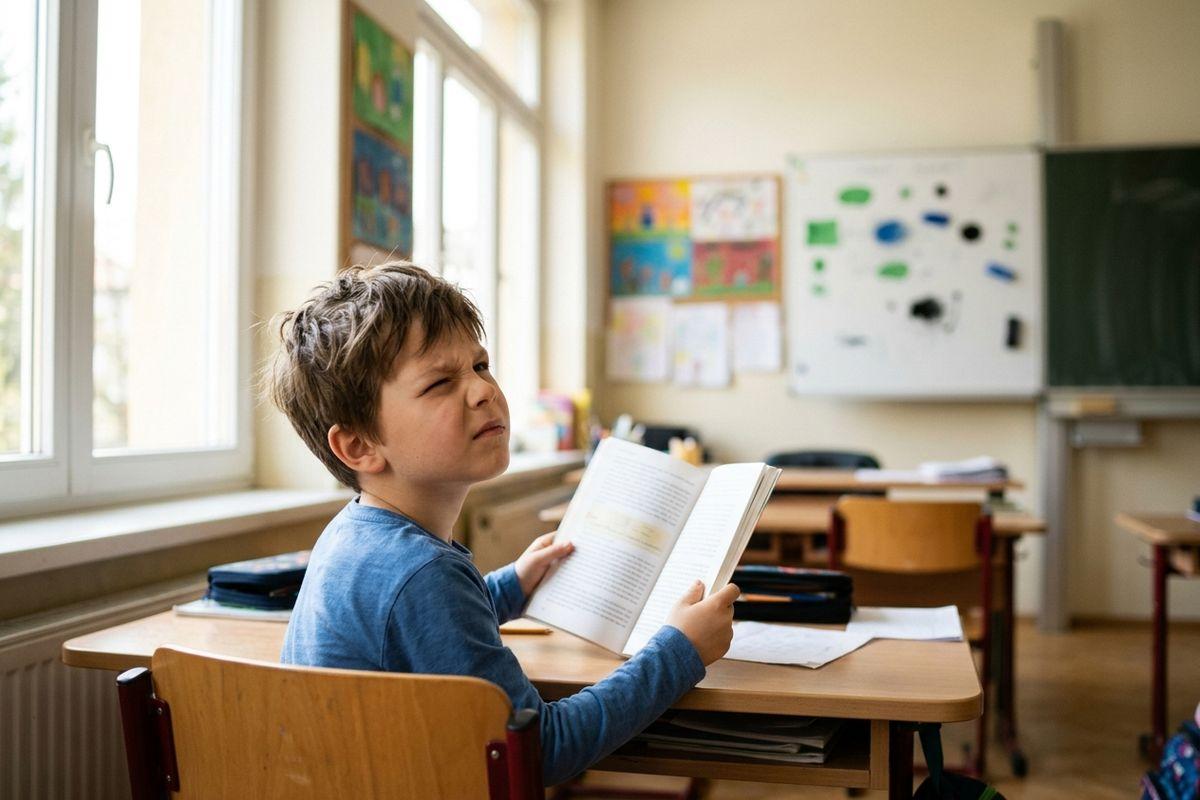
Kids don’t always mention blurry vision, mostly because they assume everyone sees the way they do. Instead, watch for a few common habits:
- Trouble making out faraway objects, like street signs or the TV
- Squinting or rubbing their eyes after schoolwork
- Sitting close to screens or holding a tablet near their face
- Headaches after a day of reading or focusing on distant objects
- Sitting near the front of the classroom or asking to move closer to the whiteboard
How Myopia Control Lenses Work
Regular single-vision glasses do one job: they sharpen the blur, and that’s where their work ends.
Myopia control lenses do 2 things at once. They correct your child’s vision so the world looks clear, and they help slow how quickly their eyes keep growing.
The design is what makes the difference. These lenses redirect the light that hits the side of the eye, effectively using the eye’s natural triggers to tell it to stop growing. That matters most for a young, still-changing eye, since every extra bit of growth adds to the prescription your child needs down the road.
Types of Myopia Control Options
There’s no single answer for every child, so a few different options exist, each suited to different ages and lifestyles. Here are the main choices the team may talk through with you.
Peripheral Defocus Glasses
These look and feel like regular glasses, so most kids adjust without much fuss. Your child wears them full-time, which offers steady support throughout the school day and beyond.
Soft Contact Lenses
Daily soft lenses suit older, active children who play sports or feel self-conscious in frames. Your child wears them during waking hours and removes them at night, allowing clear vision without glasses in the way.
Ortho-K
Ortho-k lenses are worn overnight and gently reshape the front of the eye while your child sleeps. The effect is temporary, so clear daytime vision comes without wearing anything at all. However, with repeated wear, they can have a similar effect to myopia control glasses, slowing the eye’s growth by around 50%.
Atropine Drops
Low-dose atropine drops offer another route. Used before bed, these drops may help slow eye growth without changing how your child sees day-to-day. They don’t correct blurry vision on their own, so they must be paired with prescription glasses or contact lenses.
Are These Lenses Worth It for Kids?
For many children, myopia control lenses are worth it, because they can slow how fast myopia progresses and lower the chance of eye problems later on.
Stronger myopia is linked to a higher risk of retinal changes later in life. Start early, and you give your child’s growing eyes more room for a steadier path. It’s less about today’s prescription and more about supporting your child’s vision over the years ahead.
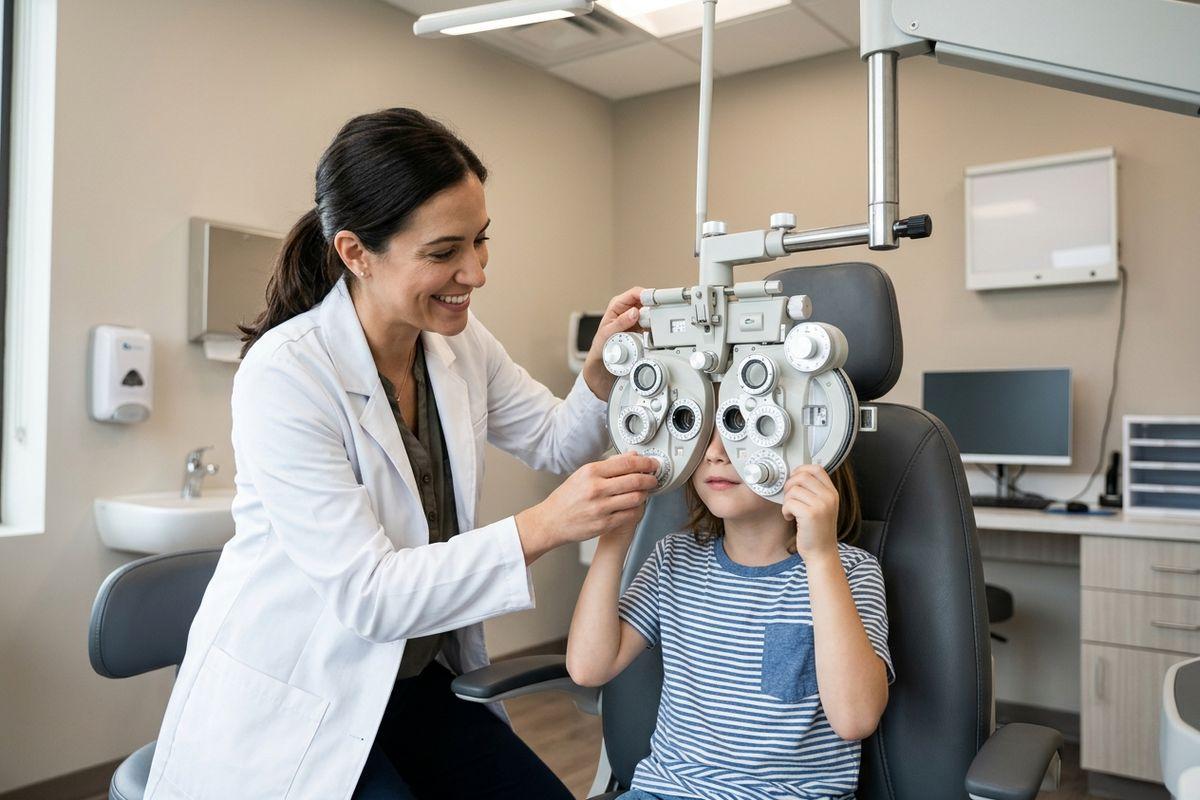
An optometrist can track your child’s eye growth over time through regular check-ins, so you’ll know whether the current approach is working or whether it’s time to adjust the plan.
What About Side Effects?
Most kids adjust well, though a few small things can come up. Keep an eye out for:
- Mild, short-lived light sensitivity that often settles within a few days
- Dryness or irritation with contact lenses, which proper cleaning and handling can help prevent
How to Choose the Right Option
The right choice depends on your child’s age, daily routine, and personal preference.
A younger child who tends to lose things may do better with glasses, while a teen who plays soccer might prefer contacts. And if your child’s a little of both, that’s worth talking through, too.
Whatever you choose, consistent daily wear matters most. Lenses can only help when your child actually wears them, so pick a plan they’ll stick with over one that ends up sitting in a drawer.
One more thing helps, and it costs nothing: more time outdoors. Even an extra hour of daylight play each day may support healthier eyes as your child grows.
Give Your Child’s Eyes Room to Grow
Myopia is manageable, and you have real choices in how to approach it. That may be myopia control lenses, but the only way to know is with a comprehensive eye exam.
To find the option that fits your child, book a myopia assessment with Ilex Eyecare. Let’s take the first step toward clearer vision together.