
AMD is characterized by central distortion or blurring of the vision that can progress to a “blind spot” should there be bleeding or scarring. However, if AMD involves one eye more than the other, there may be no symptoms at all. As with many disease processes, early detection is critical, making routine examinations very important, […]
What about frame styles and materials?
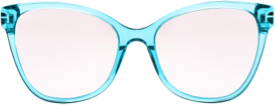
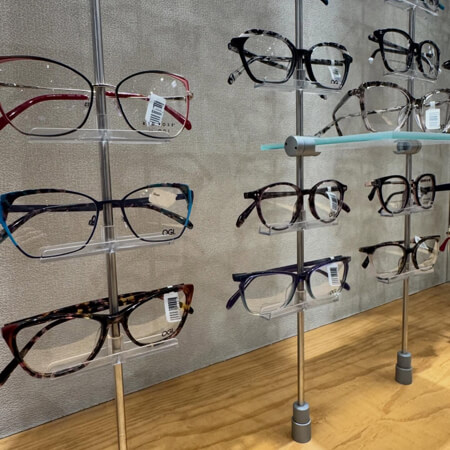
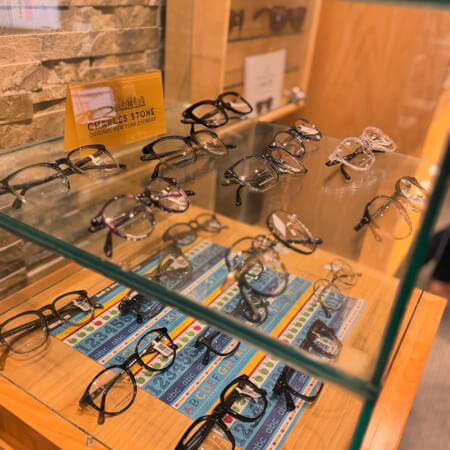
For many people, frames have gone from being a requirement to being an accessory, and they spend as much time selecting their glasses as they do purchasing jewelry or clothing … and why not? After all, you probably wear your frames every day for a few years. With a large selection of metal, rimless, and […]
What about continuous wear contact lenses?
Silicone hydrogel materials have dramatically increased the permeability (or ‘breathability’) of contact lenses. In some situations, this allows for overnight lens wear for periods of up to one month. However, not all patients are suited for this modality of wear, and the risk of complication (including infection) remain higher for continuous wear than for daily […]
So, if I can see 20/20, why do I need to get my eyes checked? Can’t I just wait until I have blurry vision and call for an appointment?
It’s important to remember that 20/20 vision doesn’t necessarily mean that your eyes are healthy. In fact, as many as one in six people with potentially serious eye disease still have ‘normal’ visual acuity. Many serious conditions have no symptoms at all: no blur, no redness, no headache, no pain, no tearing … nothing. Glaucoma, […]
My optometrist recommended some special testing that isn’t covered by OHIP. What’s involved, and why is it important?
In our practice, we employ several special testing procedures to help provide the best care possible. For some patients, there may be full or partial OHIP coverage; for others, it may be an out-of-pocket expense, or billed to a third party plan. Our fees for these procedures mirror those charged for other non-insured partial assessments […]
Is there anything that can help with myopia control before my child needs glasses?
Yes! It is recommended that children spend (at least) 1 to 2 hours outdoors every day while the sun is out. Also, it is important to hold near work (books, tablets, etc.) at arms’ length, rather than with a 90° elbow bend. These approaches are tried and true, whereas the research on the methods mentioned […]
Read More… from Is there anything that can help with myopia control before my child needs glasses?
If my child doesn’t mind wearing glasses or contact lenses, why is myopia control important?
While myopia control can increase quality of life by decreasing future dependency on spectacle or contact lens correction, it is also important to understand the health benefits. Research has shown that the risk of developing serious ocular health complications including myopic maculopathy, retinal detachment, cataracts, and glaucoma increases as the length of the eye (and […]
If have dry eye, can I still wear contact lenses?
Virtually everyone will experience some dry eye symptoms at times, whether during computer use, in dry, cool, or breezy environments, or triggered by medications. By choosing the correct contact lens material, replacement schedule, solution, and rewetting drops, comfort can be maximized while the risk of complications is minimized. Not everyone is a candidate for full-time […]
Read More… from If have dry eye, can I still wear contact lenses?
How will my optometrist help care for my diabetes?
The Canadian Diabetes Association (CDA) and the Eye Health Council of Ontario (EHCO) recommend annual eye examinations for anyone diagnosed with diabetes, whether Type I or II, whether treated with insulin, oral medications, or diet and exercise. Further, OHIP insures examinations every year for all patients with diabetes, regardless of age. The most critical component […]
Read More… from How will my optometrist help care for my diabetes?
How will my optometrist diagnose glaucoma?
As part of your ongoing routine care, your optometrist will regularly monitor your intra-ocular pressure (IOP) and carefully examine your optic nerve. Should there be concern about glaucoma, further investigation may be recommended, including automated visual field analysis (AVF, or side vision testing), corneal thickness measurement, and optical coherence tomography (OCT, specialized imaging of the […]